
 Gaming Tables
 Bar
 Bestsellers
Foosball Tables
Engineered wood with PU, veneer and leatherette — professional 56 in x 30 in play.

Glassy Foosball Table
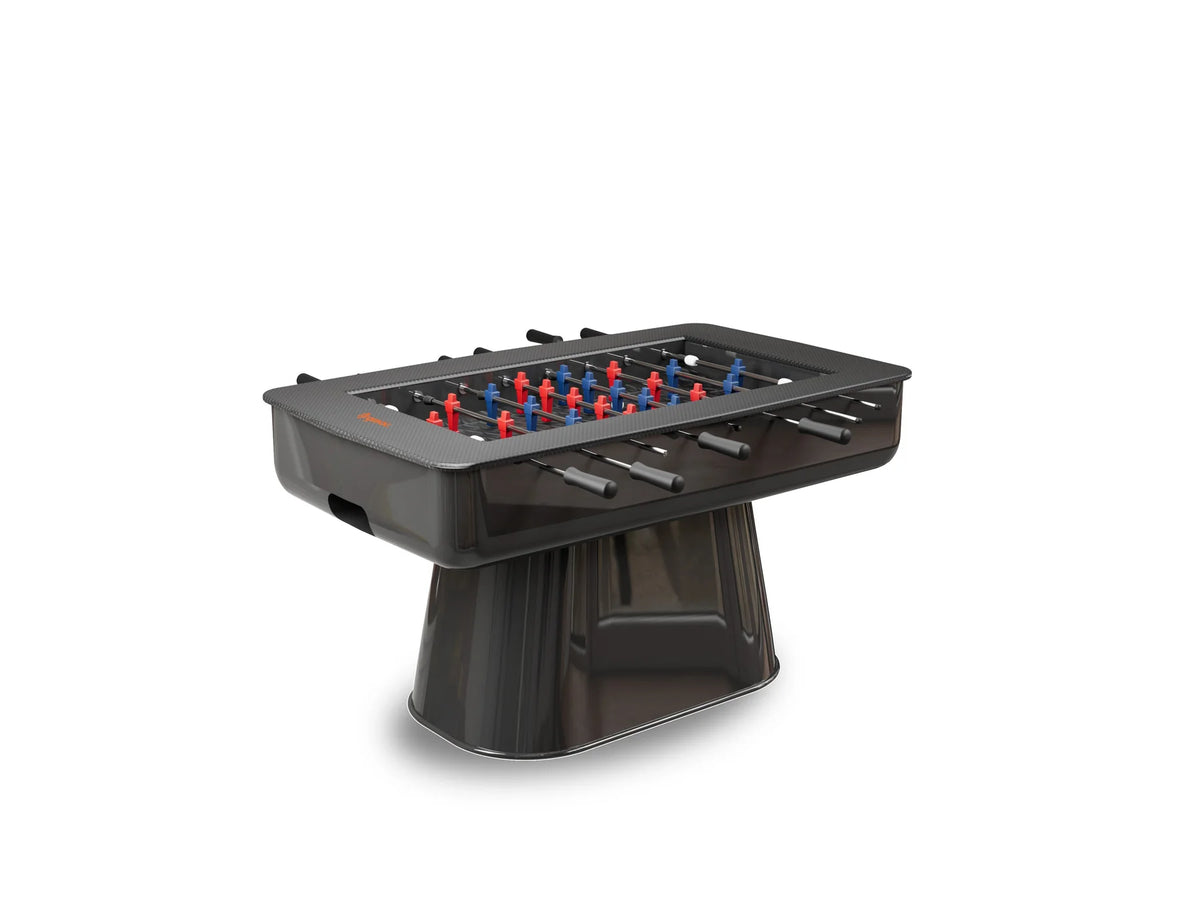
M Foosball Table
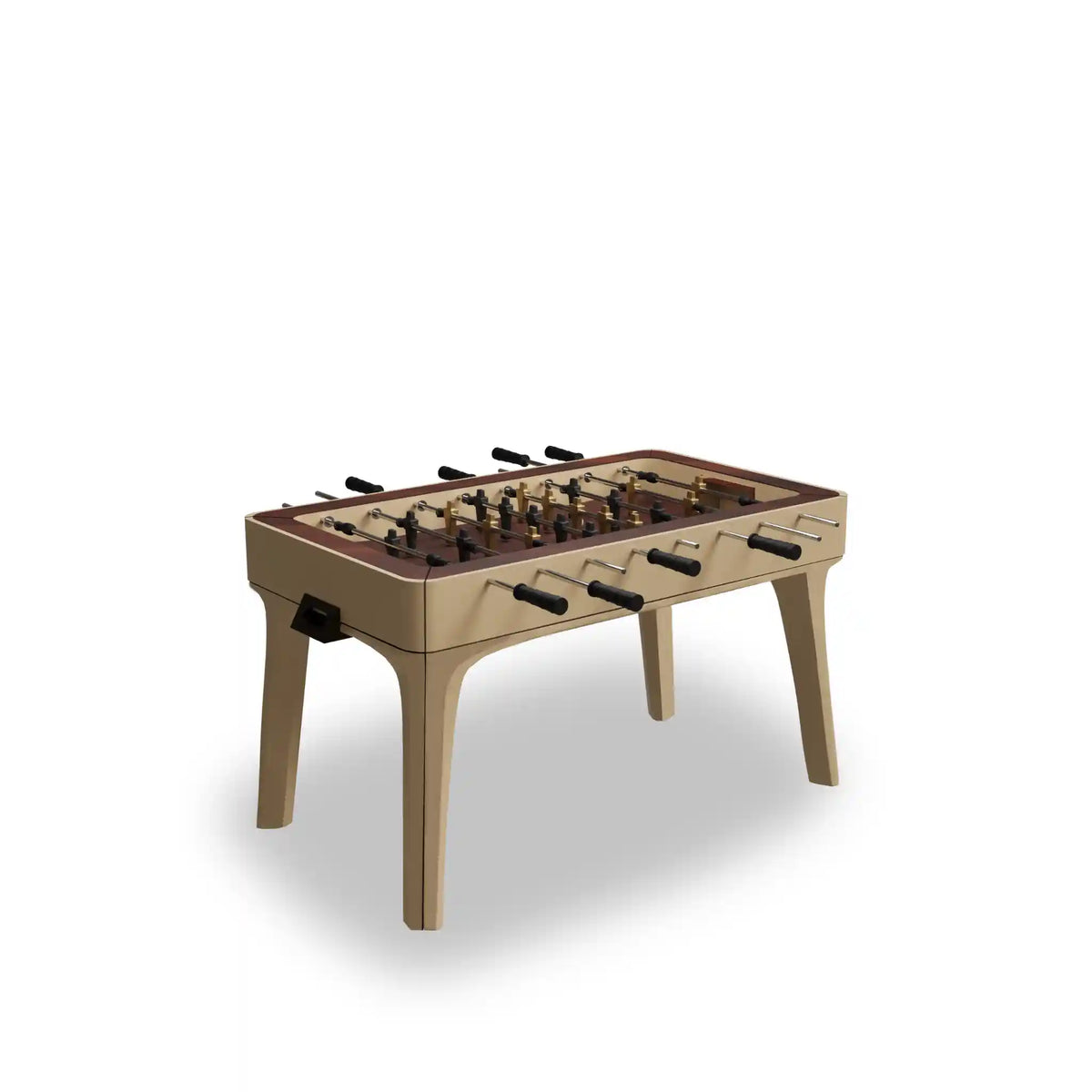
Negroni Foosball Table
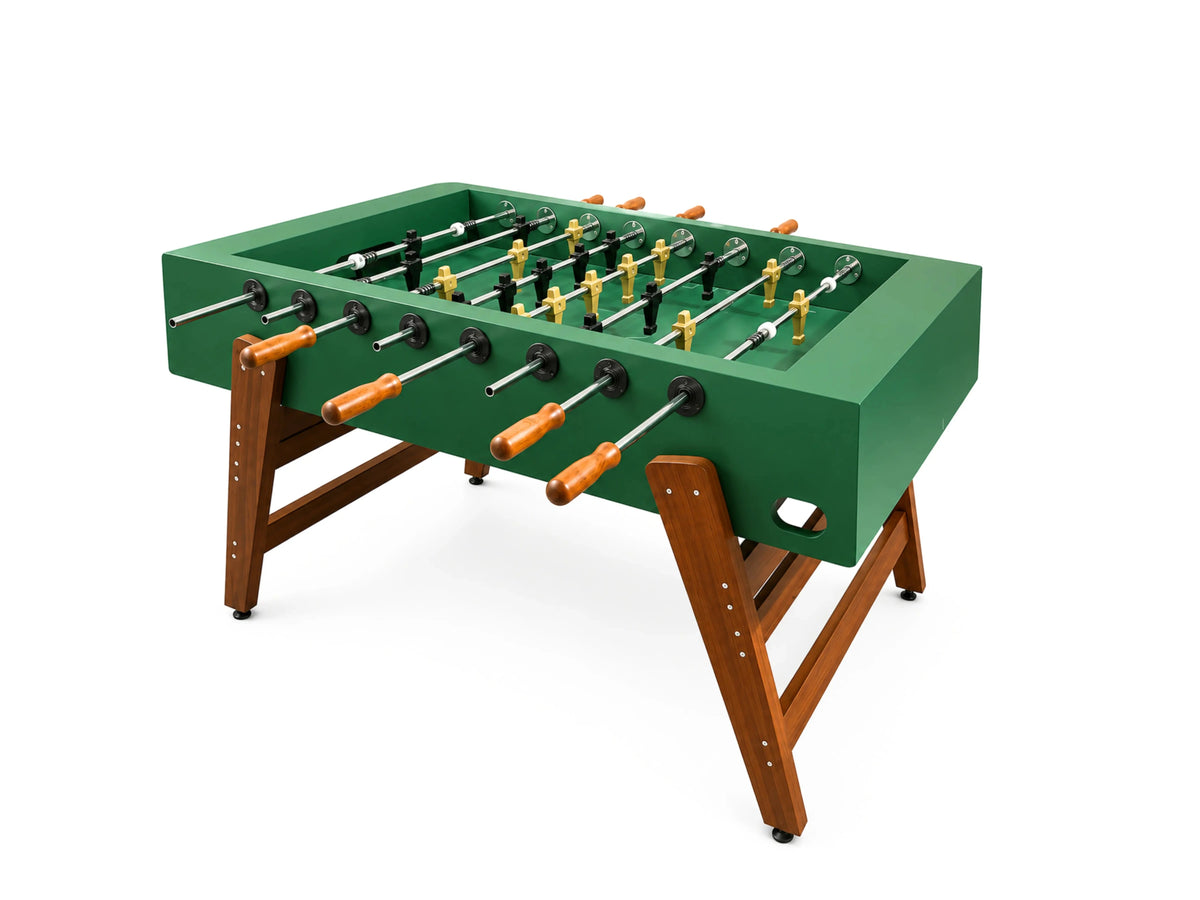
Abyss Foosball Table
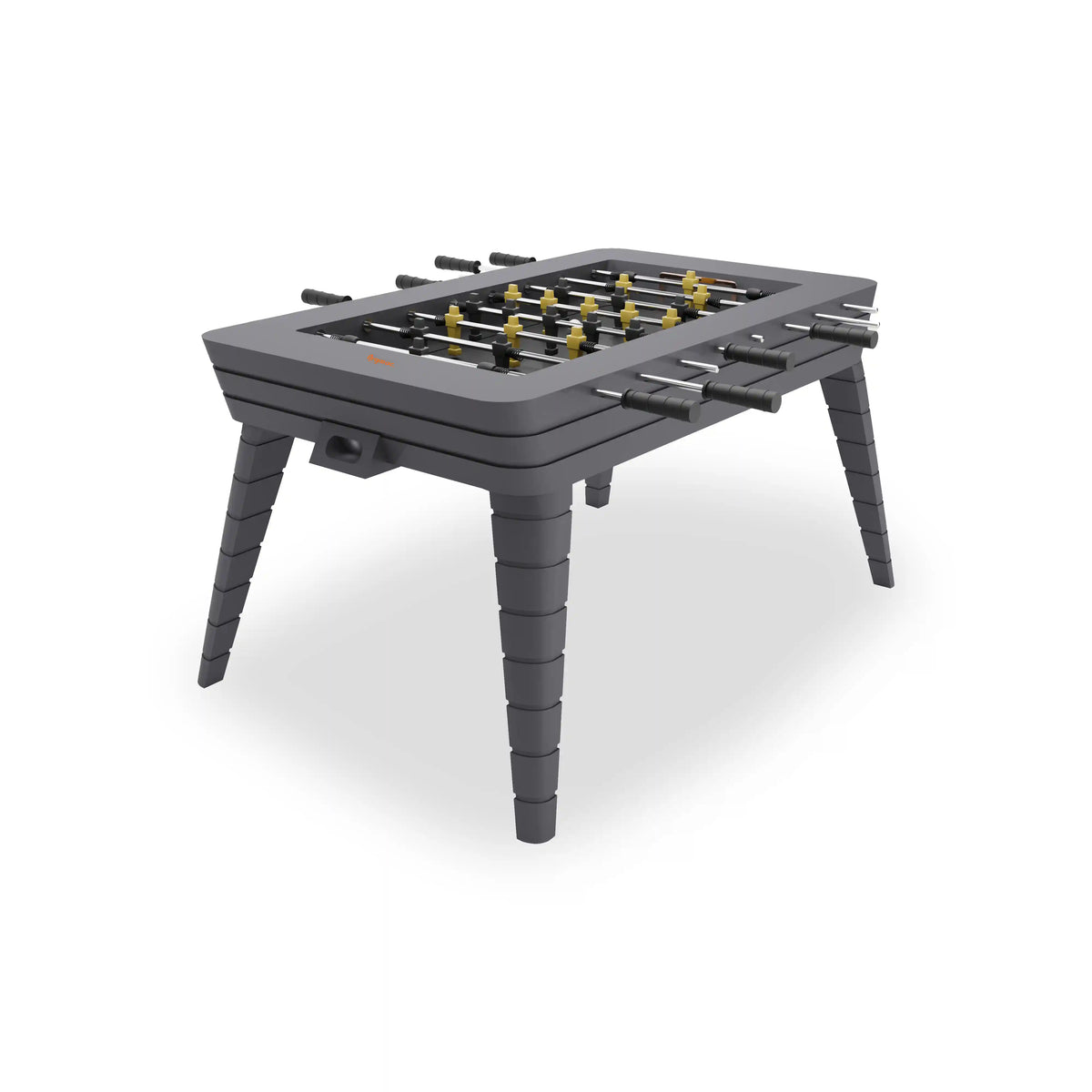
Phantom Foosball Table
Why Choose ARGMAC Foosball Tables?
Continue Reading +Close –
Why Choose ARGMAC Foosball Tables in the UAE?
ARGMAC produces foosball table furniture for private game rooms, contemporary workplaces and hospitality areas across Dubai and the Emirates. Table football introduces an active, sociable game into a relatively contained floor area, but sufficient space must still be provided for the rods and for players to stand on both sides. The most appropriate design depends on how often the game will be played, who will use it and the surrounding interior requirements.
A foosball game can be enjoyed casually without a complex setup, making it useful in spaces that host changing groups. The quality of the equipment still matters: accurate rod movement and a level playing field make the experience more predictable.
Model Range and Furniture Finishes
The collection includes Phantom, Abyss, M and Negroni. The supplied collection specification describes engineered-wood construction with selected PU, veneer and leatherette finishes. Compare each model’s rail profile, leg shape and access to the playing field before confirming a finish.
A modern foosball table with restrained detailing can work well in a contemporary lounge. The visual effect of veneer may be different from a painted or upholstered surround, especially under directional lighting. For any custom finish request, obtain confirmation of the available alternatives, their cleaning methods and expected lead times.
Rod Handling and Ball Response
Rod bearings, player-figure alignment and ball condition all influence control. A foosball ball should roll consistently without repeated sticking or an irregular bounce. Check that handles are secure, rods run freely and the figures are clear of the playing bed. A foosball game table used by many guests should be inspected regularly for loose fittings and wear.
Players benefit from a comfortable handle spacing that does not force elbows against walls or chairs. A soccer table placed too near furniture may still fit the room on paper but cannot be used properly when rods extend. For shared venues, keep a spare foosball ball with the venue manager rather than storing loose parts beside the playing area.
Dimensions and Room Clearance
The standard ARGMAC configuration is approximately 61 in × 38 in, and it can be customised. This is a furniture footprint reference; allow additional clearance for rods, full arm movement and spectators. Check the exact external dimensions of the chosen model because bases and trim may vary.
A professional foosball table arrangement should place the two playing positions away from circulation bottlenecks and fragile furniture. In an office lounge, a route between meeting rooms should remain unobstructed. For clubs, think about queueing and spectator zones as well as active-player space. A commercial foosball table specification should be confirmed for high-frequency use; a decorative residential design is not automatically engineered for constant operation.
Assembly and Routine Servicing
Installation begins with a level floor, adequate delivery access and correct assembly of the legs, rods and scoring components. Confirm which accessories are included, and test each control after installation. In homes with children, ask about the suitability of exposed rod ends and any relevant safety features rather than assuming a particular rod arrangement.
Clean the playing area and remove dust from moving components using approved methods. Avoid unapproved oils or chemicals on the rods. For a table football setup that is used daily, build in periodic checks for handle tightness, leg movement and damaged player figures. An organised maintenance record helps staff identify a developing issue before it causes downtime.
Price and Purchasing Comparison
A foosball table price can vary with base design, finishing materials, customisation and delivery conditions. Ask for the foosball table cost as an itemised quotation covering the furniture, included accessories and required site work. A separate foosball price quoted by another supplier may refer to an entirely different size or build quality.
Before choosing among table soccer options, compare overall dimensions, construction and aftercare. Also review the table football price in the context of expected usage: a venue may prioritise serviceability, while a private home may place more weight on material coordination. The final decision should follow the project brief rather than a single headline price.
Rod Extension, Player Positions and Safety
The cabinet width does not describe the full operational space because rods extend beyond the sides. Measure the greatest rod projection and allow a buffer so a player does not strike nearby chairs or passers-by. Where younger players are expected, check the rod-end protection, height and grip comfort rather than selecting on visual styling alone.
Provide space for spectators slightly behind the players, and avoid positioning the unit at a narrow corridor junction. A stable floor and correctly adjusted legs help maintain a consistent ball path during rapid movement.
Wear Parts and Service Access
Frequent use can wear handles, rod bearings, playing figures and balls. Before confirming a model for a hotel or office, ask whether those parts can be ordered individually and how a damaged component is replaced. Ensure the room permits access to serviceable fittings without dismantling surrounding cabinetry.
Clean rods and the playing surface according to the maker's instructions. Never assume that a generic oil or spray is suitable for a bearing or a coated finish. Keep a note of any unusual rod resistance or loose figures so maintenance happens before it disrupts a match.
A Practical Layout for Social Spaces
Design the room so onlookers can see the match without standing directly behind players. A foosball football table works particularly well when adjacent seating remains outside the rod-swing area. Lounge lighting should make the field visible but not reflect harshly in players’ eyes. Nearby storage is useful for covers and spare parts; it should not narrow the usable path around the table.
ARGMAC’s full-size foosball buying guide addresses further selection considerations.
