
 Gaming Tables
 Bar
 Bestsellers
Bar Stools
Engineered wood and metal frames, upholstered seats — structured seating for counters, islands and lounges.
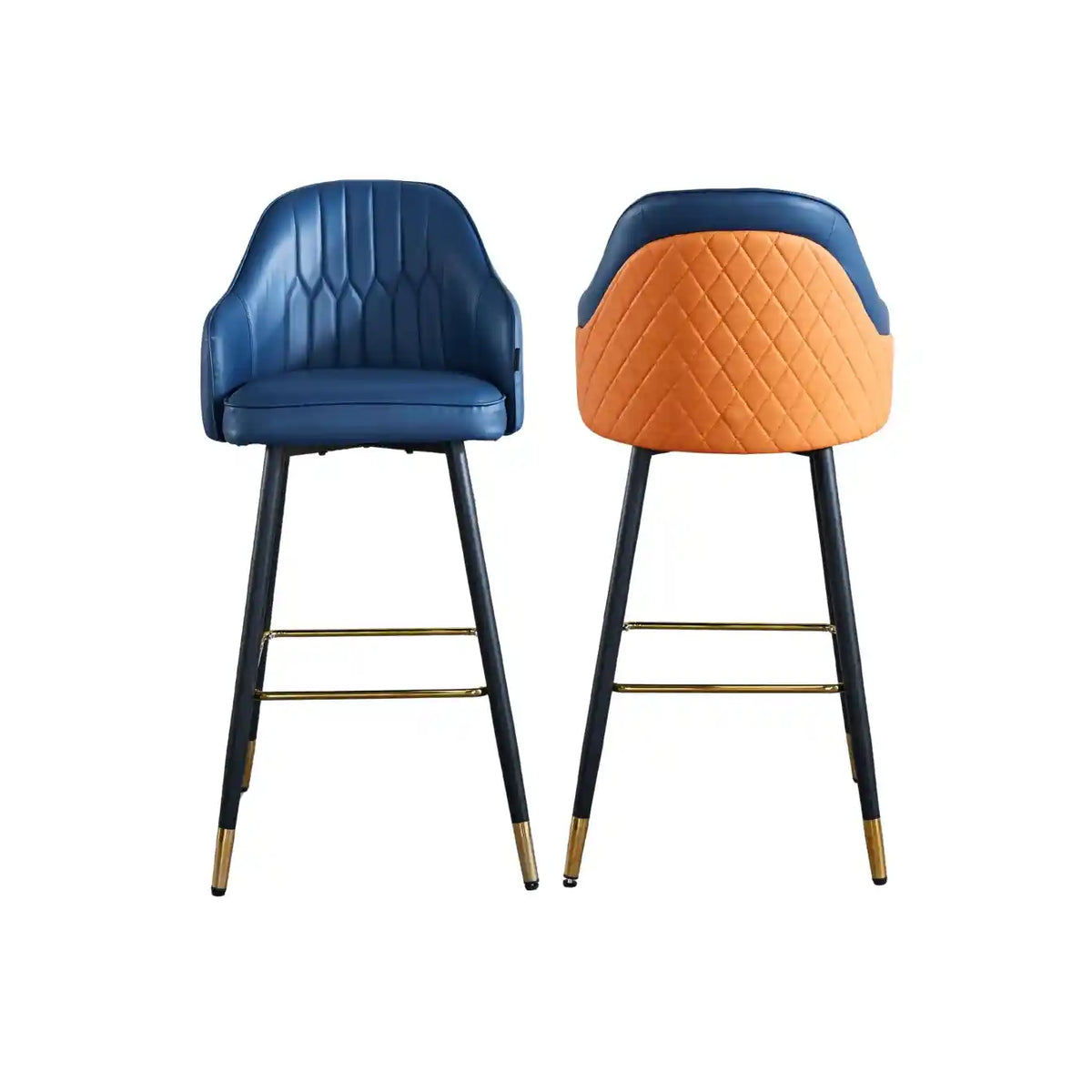
Sapphire Bar Stool (set of 2)
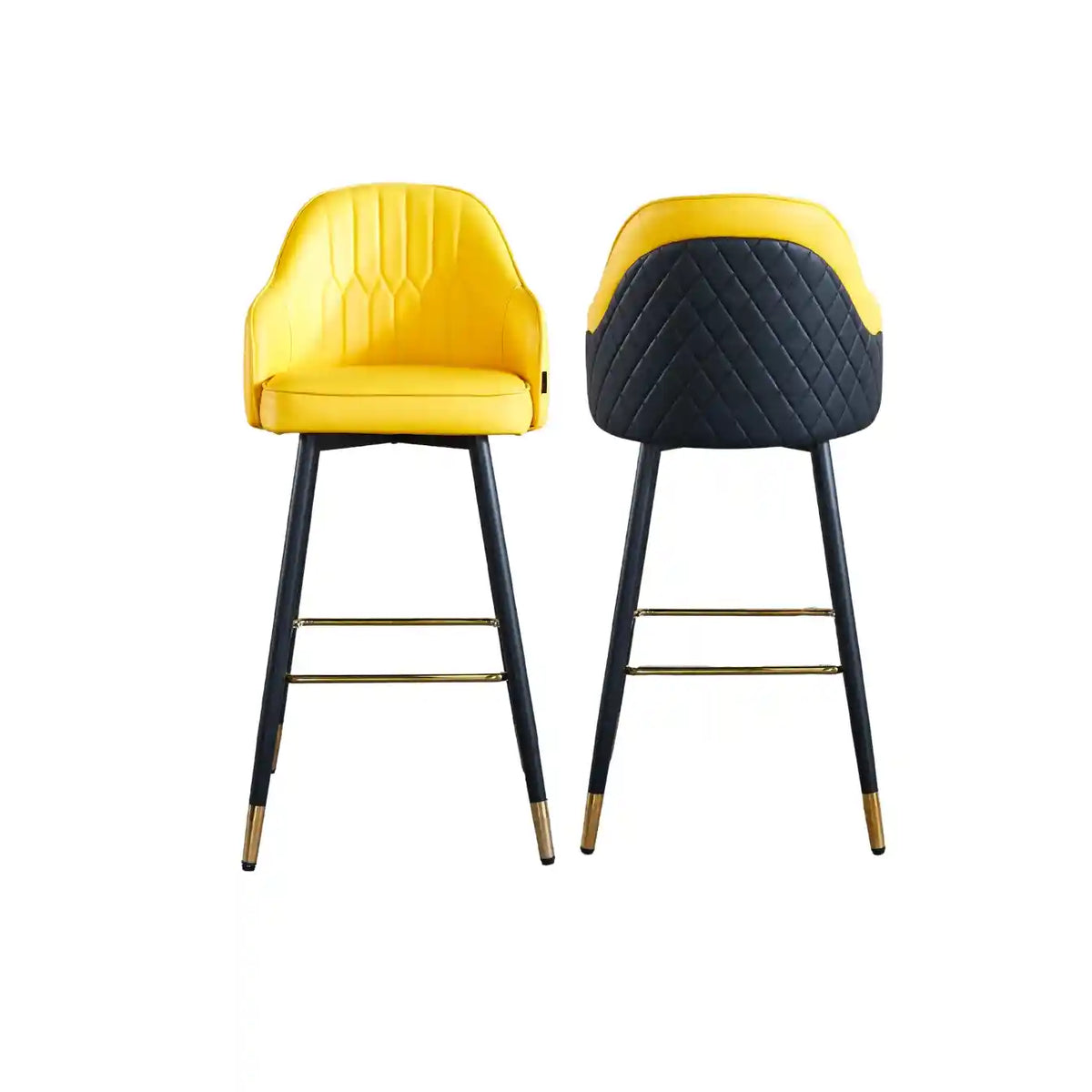
Imagin Bar Stool (set of 2)
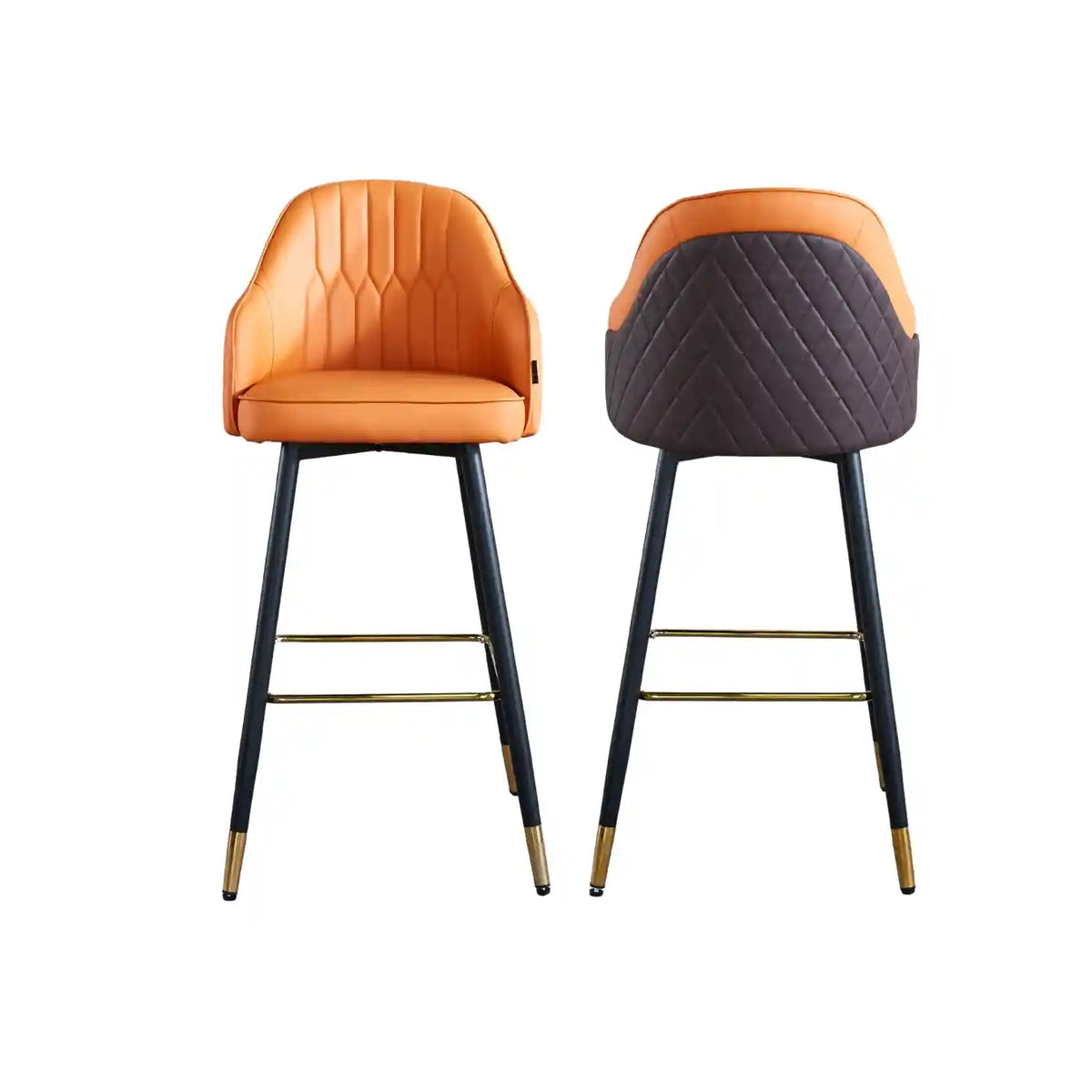
Freya Bar Stool (set of 2)
Why Choose ARGMAC Bar Stools?
Continue Reading +Close –
Why Choose ARGMAC Bar Stools in the UAE?
ARGMAC bar stools are designed to provide seating at raised counters, kitchen islands and entertainment areas without visually overwhelming the surrounding room. In Dubai homes and hospitality-inspired lounges, the right seat supports a comfortable posture while allowing guests to join conversations at the serving surface. Well-proportioned raised seating supports conversations without sacrificing the route through a kitchen or lounge.
Seating selection begins with measurement. A stool that looks well proportioned in a photograph may sit too high for an existing counter or leave inadequate room for knees and feet. Check the final installed height of the worktop before ordering. Kitchen counter heights should be measured rather than assumed when selecting a seat frame.
Height and Ergonomic Fit
For comfortable use, measure from the finished floor to the underside and top of the counter, then compare those dimensions with the seat height. Leave appropriate vertical space between seat and countertop for the user’s legs. Bar-height and counter-height furniture are not interchangeable. Bar stool chairs with backs should be evaluated for comfort and serviceability, not decorative finish alone.
Counter height bar stools are generally intended for lower raised worktops than full bar-height seating. Confirm actual product dimensions rather than relying solely on category names. Footrests should support a relaxed sitting position without forcing the knees too high. Counter chairs can soften dark joinery where a suitable upholstery option is offered.
Seats, Backrests and Comfort
Cushioning, seat depth and backrest angle influence how a stool feels during a long conversation or meal. A high-back design may suit a social dining area, while a lower profile keeps sightlines open in a compact kitchen. Counter top stools require suitable floor glides on polished stone and timber. Bar stool chairs need upholstery care appropriate to the actual covering specification.
Assess how easy it is to get on and off the seat, especially when guests of varying ages will use the area. Swivel or adjustable mechanisms should only be assumed where the selected model specifically includes them. A high stool can be appropriate for occasional seating, but support and comfort should be checked.
Frames, Upholstery and Finishes
Materials within the range may include engineered wood, metal or stainless-steel supports, upholstered seats, PU, veneer, laminate, leatherette and fabric. The particular construction must be confirmed by model rather than assumed to be universal. Swivel bar chairs can ease entry where space is tight, provided that mechanism is available on the chosen model.
A wooden bar stool can coordinate with warm joinery and timber dining furniture, while metal-framed seating can provide a sharper architectural contrast. Upholstery should be chosen for its tactile feel, cleaning needs and resistance to expected wear, especially in frequently used hospitality areas. Adjustable bar chairs may suit mixed-height users, but confirm the precise height range and mechanism.
Planning a Row of Seats
Determine the usable counter length after subtracting corner returns, appliances and structural supports. Allocate enough lateral space for each person to sit and move comfortably rather than placing stools immediately edge to edge. Counter stools are generally proportioned for lower raised surfaces than traditional high bars.
When specifying bar stools for kitchen counter use, check cabinet doors and drawers behind the seating line. Pull-out appliances, circulation to a balcony or the route to the dining area may require more space than the stool footprint suggests. Counter seats should be checked against the finished worktop rather than an assumed standard height.
Floor Contact and Stability
Floor protection is particularly important on polished marble, timber and other delicate finishes. Check whether the legs include suitable glides and whether replacements are available. Uneven feet can create wobble and premature wear. Kitchen stools need upholstery and finishes capable of meeting the area’s cleaning requirements.
For hospitality settings, stability and ease of moving the seats for cleaning deserve attention. Confirm the intended user capacity and whether the product is designed for the expected frequency of use. For stools for kitchen island seating, allow clearance for pull-out drawers and nearby appliances.
Visual Coordination With the Counter
The bar chair design should relate to the proportions of the counter, not necessarily match every finish exactly. A textured upholstery can soften a highly polished surface, while simple frames can balance a sculptural serving unit. Compare bar stool heights using the seat-to-counter gap, not just the overall backrest height.
Coordinate metal tones and timber colours with the broader scheme, but retain enough contrast for the seating to be clearly legible. Test samples under the room’s actual lighting, particularly if warm decorative illumination changes colour perception. Bar stool measurements should include seat width, total depth and the footprint of the legs. Bar chairs with armrests may need additional lateral spacing between users.
Maintenance and Selecting Upholstery
For everyday homes, choose a covering that can be cleaned according to the manufacturer’s guidance without special equipment. Dining and hosting areas are exposed to spills and frequent contact, so removable or replaceable upholstery components may be worth discussing where the model allows them. High bar chairs should not interrupt the sightline across compact open-plan rooms.
Inspect stitching, edge treatment and footrest finish before installation. Regularly check any accessible fasteners using the supplier’s recommended maintenance procedure. Wooden bar chairs can be specified alongside matching timber shelves without requiring identical stains.
Buying Considerations for UAE Projects
Compare seat height, overall width, depth, stability, finish samples and expected usage before confirming quantity. Luxury bar stools should be assessed as working seating rather than purely decorative objects: comfort and fit are as important as appearance. Kitchen counter bar stools should leave room for people walking behind occupied seats.
For projects requiring several seats, approve one sample where practical before ordering the full quantity. Confirm lead time, assembly, delivery and warranty coverage in writing. A measured, consistent layout will give guests the freedom to move and the host a more comfortable entertaining area. A coordinated bar and stools purchase should distinguish the seating supply from the cabinetry quotation.
