
 Gaming Tables
 Bar
 Bestsellers
Bar Cabinets
Integrated bottle display, shelving and hidden compartments — organised storage with furniture-grade detailing.
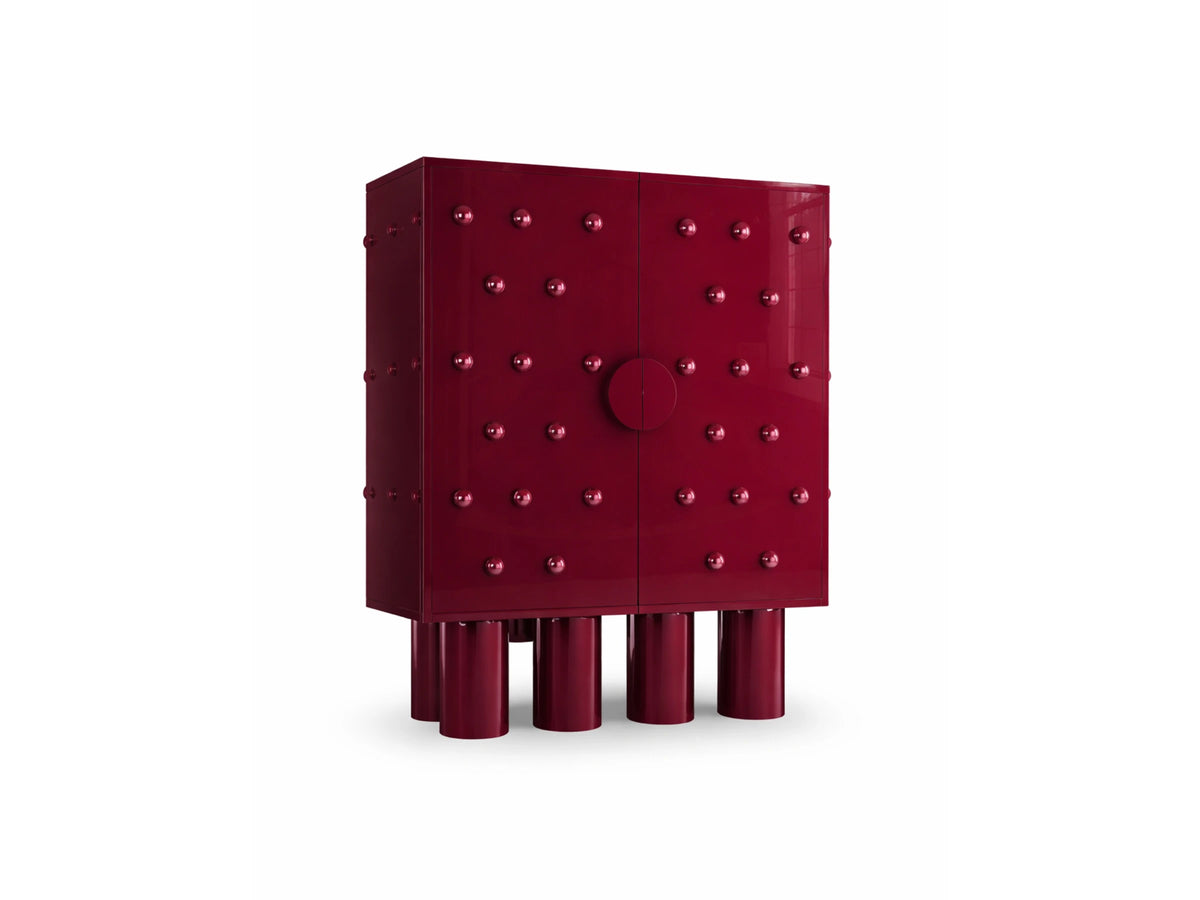
Vigna Bar Cabinet
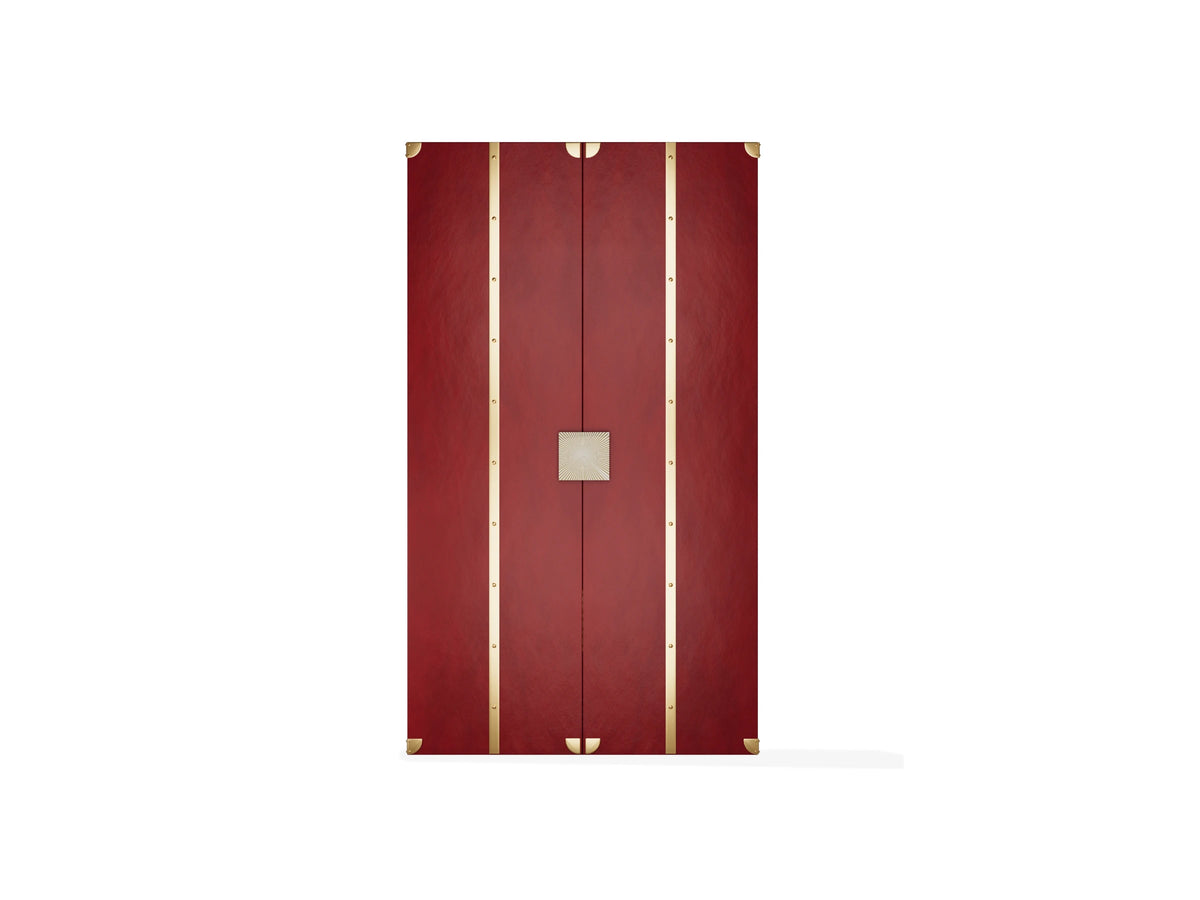
Casa del Vino Bar Cabinet
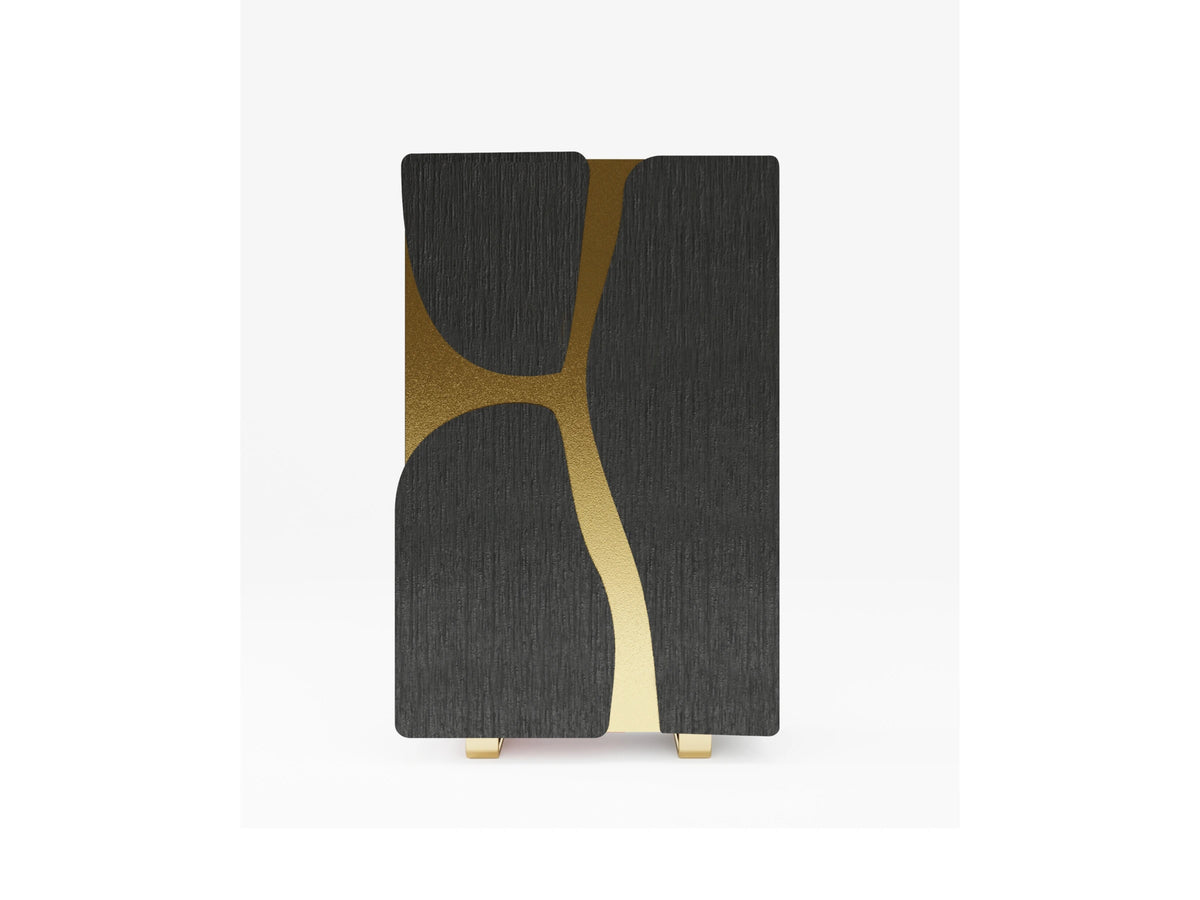
Flusso Bar Cabinet
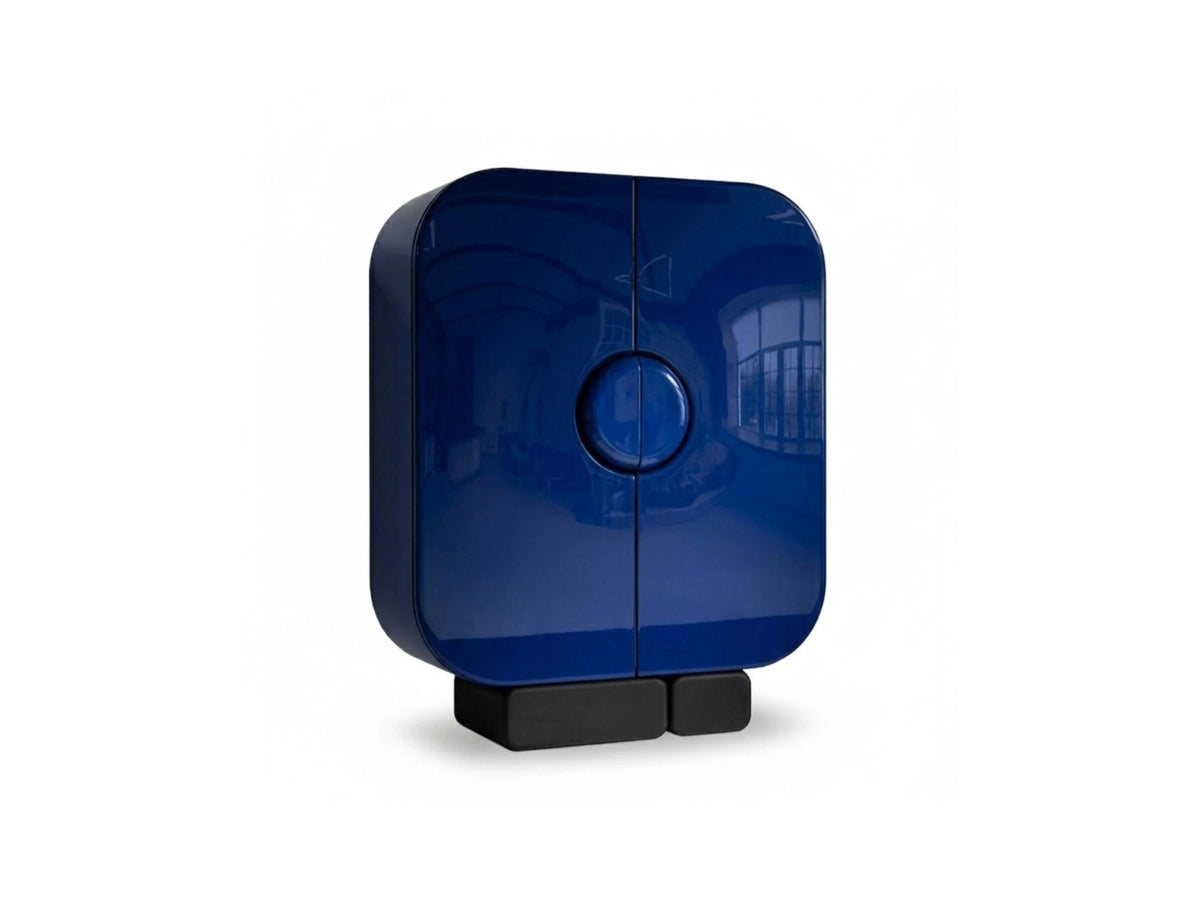
Cantico Bar Cabinet
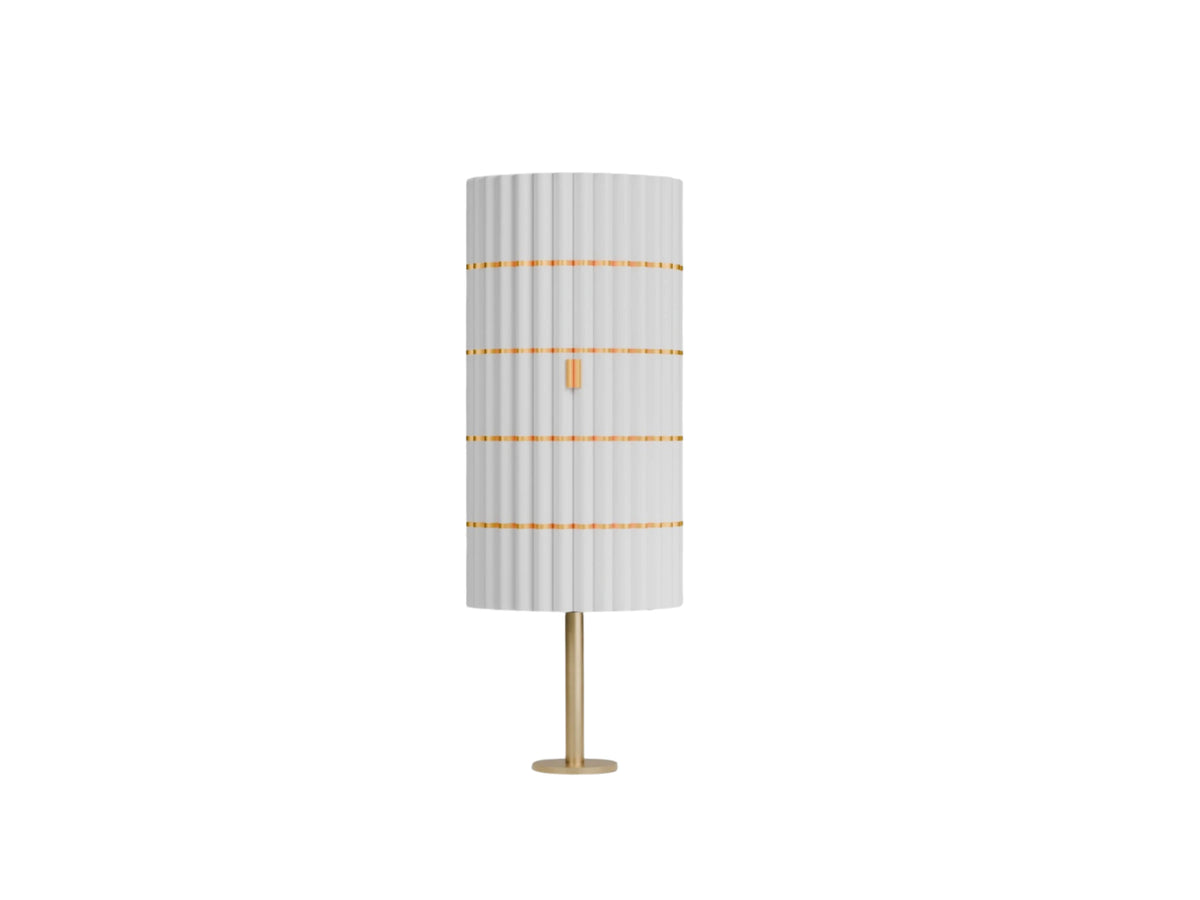
Lumoire Bar Cabinet
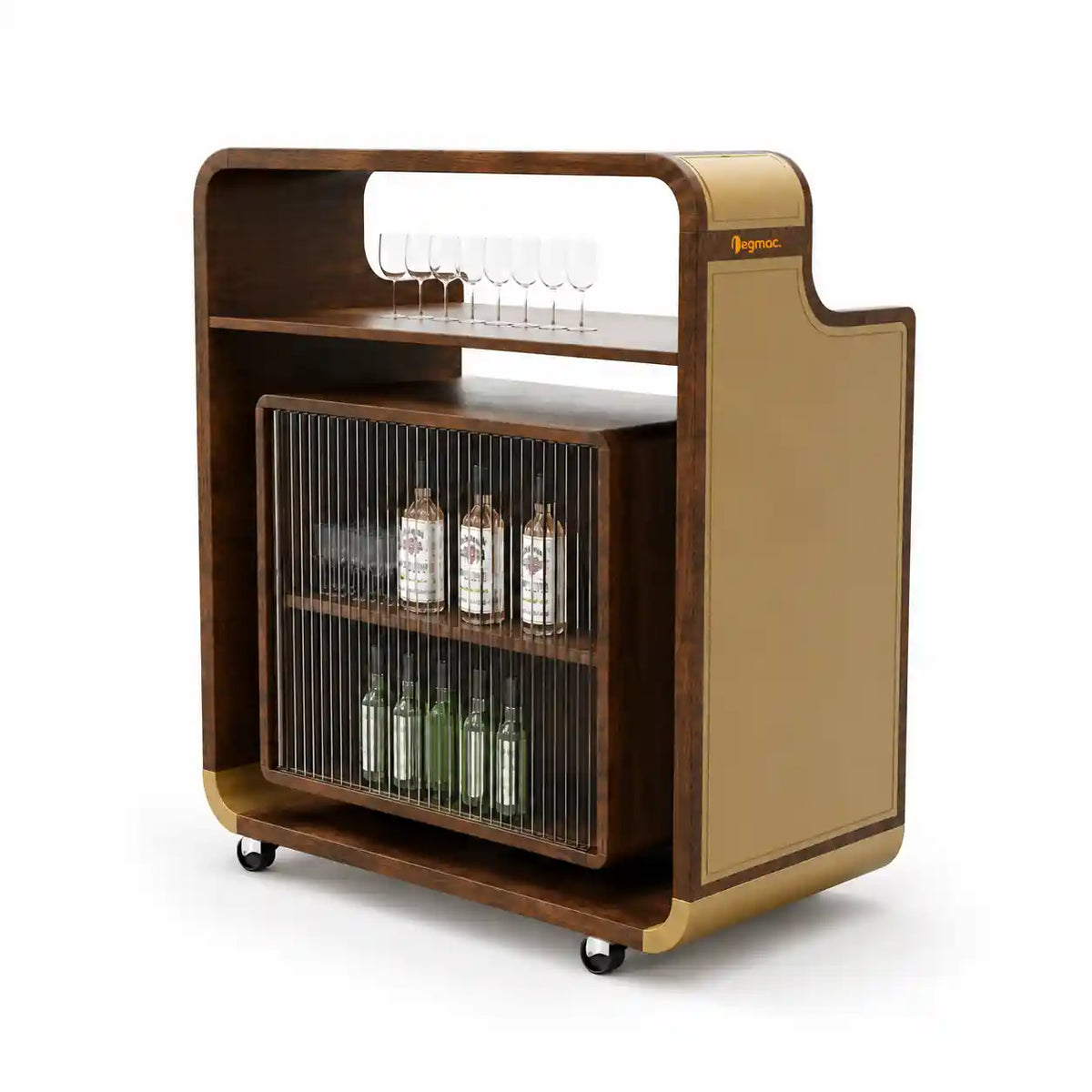
Velvet Barrel Bar Trolley
Why Choose ARGMAC Bar Cabinets?
Continue Reading +Close –
Why Choose ARGMAC Bar Cabinets in the UAE?
ARGMAC bar cabinets offer dedicated beverage and glassware storage without requiring a permanently installed serving counter. They are useful in dining rooms, lounges, apartments and private entertaining spaces where bottles and accessories need an organised home while the surrounding furniture remains flexible. Bar cabinets are particularly useful when a full serving structure would dominate an existing dining room.
A successful cabinet balances capacity with access. Consider whether the unit is intended primarily for display, concealed storage or occasional serving, since those choices determine the most useful shelves, doors and surface area. A home bar cabinet can preserve the flexibility of a room that also serves as a family lounge. For a modern bar cabinet, internal organisation deserves as much attention as the external door profile.
Explore the Collection
The range includes Vigna, Casa Del Vino, Cantico and Flusso. Their differing profiles can suit distinct room layouts: some clients need a taller storage feature, while others prefer a cabinet with greater visual presence across a lounge wall. A liquor cabinet should provide stable bottle support and keep heavier contents away from fragile display shelves.
Review each model’s actual compartment arrangement and dimensions before choosing. A product photograph may not reveal shelf depth, door swing or the clearance needed to reach the back of a display section. A drinks cabinet with closed doors can reduce dust on glassware between occasional gatherings.
Bottle Storage and Shelf Planning
Map the contents before selecting the furniture. Bottle heights vary, and some decanters or serving jugs need greater vertical clearance than standard glassware. Store frequently used glasses at a comfortable reach height and avoid allocating every compartment to open display if the collection includes small accessories. A decorative wine cabinet should not be mistaken for temperature-controlled storage unless cooling is specified.
Adjustable shelving, where available, helps accommodate changing storage needs. If a unit will carry particularly heavy objects, confirm the permitted shelf loads rather than assuming all decorative shelves are designed for the same weight. In a narrow apartment, a mini bar cabinet may provide a practical alternative to a fixed counter. A small bar cabinet benefits from an accurate inventory of bottles, glasses and preparation tools before ordering.
Doors, Hardware and Everyday Access
Door direction can decide whether a design is practical. Check nearby chairs, dining tables and circulation paths with each door or drawer fully open. Tall doors may need more clearance than is obvious in a compact apartment. A tall bar cabinet should be checked for stability and any wall-fixing requirement stated by the maker.
Ask about hinges, drawer runners, catches and replacement hardware. Smooth operation and accessible maintenance points matter more over time than decorative appearance alone. Where internal lighting is offered, verify how power is supplied and how lamps or drivers can be serviced. A corner bar cabinet can use an otherwise underoccupied corner, provided its doors open fully.
Materials, Finishes and Care
A wooden bar cabinet can introduce visual warmth alongside dining furniture, while painted, metal-accented or sculptural designs may better suit contemporary interiors. The exact substrate, finish and decorative detailing vary by model and should be confirmed against the relevant specification. A black bar cabinet can create visual contrast against pale walls, but gloss level affects fingerprints and reflections.
Check the cleaning instructions for glass, lacquered panels and metal trims separately. Use protective mats on serving areas where condensation or occasional spills are expected, and avoid placing delicate finishes in prolonged direct sunlight. For a wood bar cabinet, assess veneer matching and edge protection where glasses are set down. A bar storage cabinet should separate fragile glassware from heavier bottles whenever practical.
Serving Convenience Without a Full Counter
A cabinet can function as a compact refreshment station when there is a clear surface for setting down glasses and preparing simple drinks. Keep this working area separate from fragile displays and make sure cabinet doors do not block the person serving. Check shelf pitch and bottle length before treating a wine storage cabinet as a high-capacity solution.
For small residences, a mini bar arrangement may reduce the need for dedicated bar furniture. In larger settings, a cabinet can complement a separate counter by storing extra glassware and supplies outside the main serving zone. A cocktail cabinet may need a fold-out or clear temporary surface, even if its main purpose is storage.
Placement in UAE Homes
Position the cabinet near the social area but outside the busiest walkway. In an open-plan Dubai apartment, it may work better alongside a dining wall than between a sofa and balcony door. Allow enough space to clean behind the unit if it is freestanding. A wine display cabinet can prioritise visual presentation while reserving enclosed space for everyday accessories.
For tall or top-heavy designs, check the manufacturer’s wall-restraint recommendations and the suitability of the supporting floor. Any fixing detail should be approved for the actual wall construction. A wall bar cabinet requires verification of the substrate and the combined loaded weight. A dining room bar cabinet should open without blocking diners or chair movement.
What to Confirm Before Ordering
Compare the usable interior dimensions, finish samples, hardware operation and included features. Confirm whether lighting, internal inserts or specialist bottle holders are standard or optional, and ask for a written delivery and installation scope. In a glass bar cabinet, adjustable shelf lighting can aid visibility, but electrical access must remain serviceable.
If custom finishes or dimensions are available for a model, approve the revised drawings before production. The strongest choice is the cabinet that fits the room, supports the contents you own and remains convenient to use. A bar cupboard with simple compartments may be preferable when easy cleaning matters more than elaborate display.
